Local hardscaping planning
Hardscaping is one of the most important service opportunities for Green Operations because it connects the work homeowners search for most often: paver patios, retaining walls, walkways, steps, pool decks, outdoor kitchens, fire features, and full outdoor living spaces. The current ranking signal shows "hardscaping" is not ranking, so this guide answers the questions a St. Louis-area homeowner is likely to ask before booking a contractor.
The short version: a good hardscaping plan is not only about the surface material. It should account for Missouri clay soil, slope, base preparation, compaction, drainage, edge restraint, freeze-thaw movement, access, and future phases. Green Operations serves St. Louis, MO, Jefferson County, MO, and St. Charles County, MO with owner-led hardscaping and landscaping built around those local conditions.
If you are already close to requesting an estimate, start with the main hardscaping service page for the full service overview. Then use the questions below to decide what scope, photos, drainage concerns, timing goals, and future features you should share through the contact form.
1. What does hardscaping include for a St. Louis-area home?
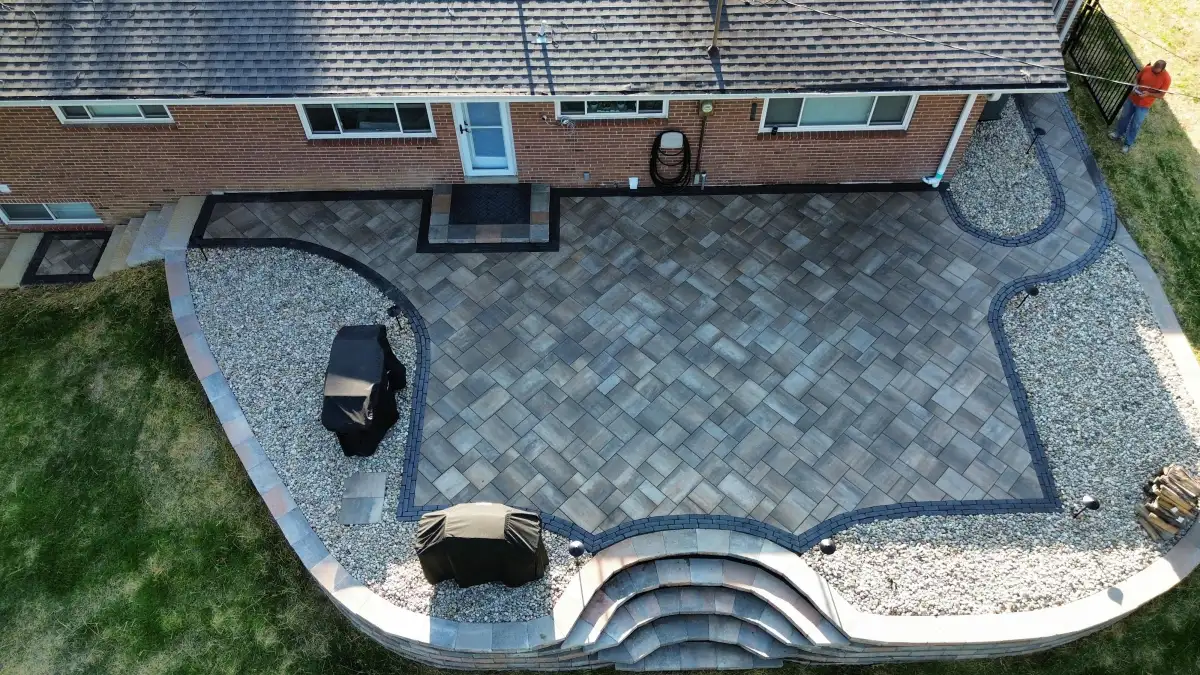
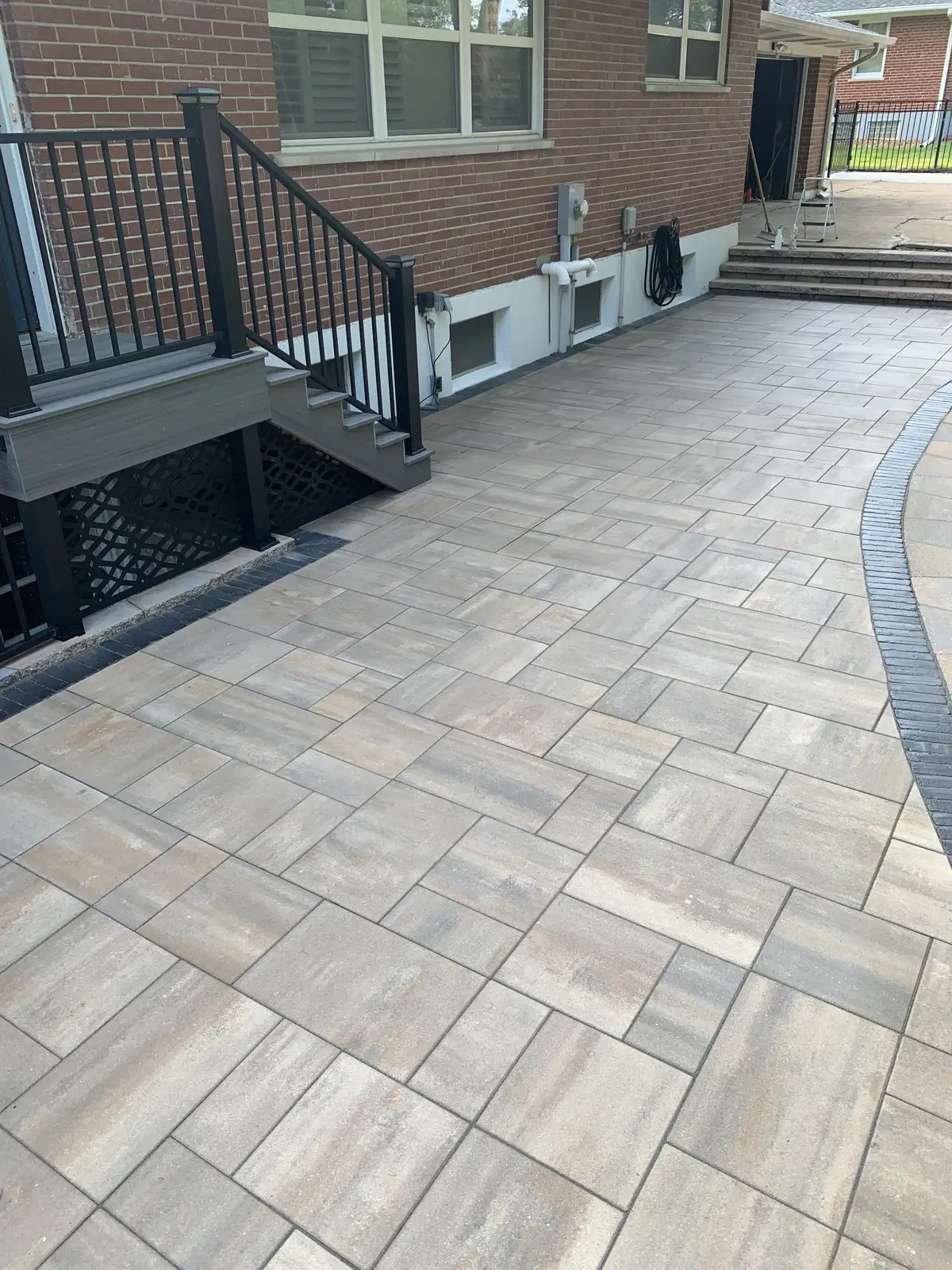
Hardscaping includes the built outdoor elements that shape how a yard works. For Green Operations, that can include paver patios, walkways, driveways, steps, retaining walls, seating walls, pool hardscaping, fire pits, outdoor kitchens, and the hardscape portions of a larger landscape design. It may be one focused project or the first phase of a bigger outdoor living plan.
That distinction matters when comparing estimates. A simple walkway from the driveway to the front door has different requirements than a backyard patio with a seat wall, fire pit, lighting, and future kitchen space. A retaining wall built to create a flat patio area needs a different conversation than a decorative border wall. Before asking for a price, define what problem the hardscape needs to solve: more usable entertaining space, erosion control, safer access, a cleaner pool area, better drainage, or a full backyard transformation.
2. Why should drainage come up before materials?
Drainage should be part of the first conversation because water is one of the main reasons patios, walks, and retaining walls fail. St. Louis-area yards often deal with clay-heavy soil, strong spring rain, downspout runoff, slope changes, and freeze-thaw cycles. When water sits under a paver surface or builds pressure behind a wall, it can cause settling, joint washout, heaving, erosion, and long-term movement.
A hardscaping estimate should explain where water currently goes and where it will go after the project is built. That may mean pitch across a patio, drainage stone behind a retaining wall, drain pipe, downspout routing, grading at the edges, or a different layout than the homeowner first imagined. Drainage does not have to make a project complicated, but it does need to be planned before the pavers, wall block, or outdoor features are selected.
3. What should be included in a hardscaping estimate?
A useful estimate should be clear enough that you can compare scope, not just price. For a patio or walkway, ask whether the estimate includes demolition, excavation, hauling, base stone, compaction, bedding material, pavers, border or edge restraints, polymeric sand, final grading, and cleanup. For a retaining wall, ask about wall height, base preparation, drainage stone, drain pipe, caps, geogrid where needed, steps, and how the wall handles water behind it.
The estimate should also identify items that are outside the scope. Electrical work, gas lines, irrigation changes, major drainage correction, utility relocation, permit support, or HOA drawings may affect the schedule. When those items are discussed early, the project is less likely to change after construction begins.
4. How much does hardscaping cost in St. Louis?
Hardscaping cost changes with square footage, demolition, material selection, access, excavation depth, base requirements, drainage, wall height, steps, pattern complexity, and added features. A flat rectangular paver patio is not the same project as a sloped yard with retaining walls, curved steps, a fire feature, and lighting. A pool deck has different priorities than a front walkway or driveway accent.
Instead of relying on a generic per-square-foot number, ask what is driving the estimate. The lower bid may omit base depth, drainage, cleanup, edge restraint, or scope that another contractor included. Green Operations provides free written estimates so homeowners can compare what is actually being built. For patio-specific budgeting, the St. Louis paver patio cost guide is a helpful companion article.
5. Which hardscape material should I choose?
The right material depends on the home, the use, the budget, and the maintenance expectations. Interlocking concrete pavers are popular for patios, walkways, and pool areas because they offer many styles and can handle movement better than one large slab when the base is properly built. Natural stone can be a strong fit for certain designs, though it requires careful planning around thickness, variation, and installation method. Wall systems are chosen based on height, design, drainage, and load.
Green Operations is an authorized Unilock contractor, so many projects use Unilock pavers and wall systems. The product choice still has to match the property. Pool hardscaping should consider slip resistance and comfort underfoot. Driveway surfaces need appropriate base and traffic planning. Outdoor kitchen areas should be planned around appliance clearances, utilities, seating, and safe circulation.
6. Does the service area change the plan?
Yes. St. Louis city and county projects may involve tighter access, older homes, smaller yards, front-entry upgrades, and existing concrete removal. Jefferson County projects often involve larger lots, steeper grade, wooded edges, longer access routes, and retaining wall planning. St. Charles County projects may involve newer subdivisions, builder-grade patio replacements, HOA review, and backyard expansions built in phases.
For a deeper local example, read the focused guide to hardscaping in Jefferson County, MO. That page explains how grade, clay soil, access, drainage, and future outdoor living plans can affect hardscaping south of St. Louis. You can also review the full service areas hub to confirm Green Operations coverage.
7. Should I book one project or plan the whole backyard?
Not every homeowner needs to build everything at once. However, even a one-phase project should be planned with future use in mind. A patio can be sized and positioned so an outdoor kitchen, seating wall, fire feature, or lighting can be added later. A retaining wall can create the level area needed for a future patio. A walkway can be placed so it still makes sense if the landscaping changes.
This is especially important for outdoor living projects, pool hardscaping, and yards with grade changes. If you think you may want more features in a later phase, say that during the estimate. The first project should support the long-term plan instead of limiting it.
8. What should I send before requesting an estimate?
You do not need a finished design before contacting Green Operations. You can make the first conversation more productive by sending photos from several angles, rough dimensions, the main problem you want solved, your timing goal, and any access constraints. Mention standing water, erosion, downspout discharge, buried utilities, septic areas, fence gates, HOA rules, or planned future features.
If you are unsure how to describe the project, use plain language. For example: "We need a level patio where the yard slopes away from the house," "water collects near the existing concrete," or "we want a walkway now but may add lighting and landscaping later." Those details help Green Operations identify whether the conversation should start with patio installation, retaining walls, landscape design, or a broader hardscaping plan.
FAQ: Hardscaping questions before booking
What should St. Louis homeowners ask before booking hardscaping?
Ask how the contractor will handle excavation, compacted base, drainage, paver or wall materials, edge restraint, access, cleanup, and future phases. St. Louis hardscaping should be planned around clay soil, slope, heavy rain, and freeze-thaw conditions, not just square footage.
Why is hardscaping not just a price question?
Hardscaping includes patios, walkways, retaining walls, pool decks, steps, outdoor kitchens, and full outdoor living spaces. The cost and plan change based on drainage, grade, base depth, access, material choice, wall height, and whether the work needs to support future phases.
Does Jefferson County hardscaping need different planning than St. Louis city projects?
Often, yes. Jefferson County properties may involve steeper lots, wooded access, longer material routes, erosion, and retaining walls. St. Louis city and county projects may involve tighter access, older drainage patterns, smaller lots, and front-entry work.
How can I prepare for a Green Operations hardscaping estimate?
Share photos from multiple angles, rough dimensions, timing goals, access notes, drainage concerns, and any future features you may want such as lighting, a fire pit, outdoor kitchen, pool hardscaping, or landscape design.
Ready to talk through a patio, retaining wall, walkway, pool deck, or outdoor living project? Use the Green Operations contact form or call (314) 630-8814.