Local hardscaping planning
Hardscaping is where a St. Louis yard becomes more usable: a paver patio for dinners outside, a retaining wall that turns a slope into level space, a walkway that makes the front entry safer, or a pool deck that connects with the rest of the backyard. Those projects all fall under the same service category, but the right plan depends on drainage, grade, access, soil, materials, and how the family or business will use the space.
Green Operations builds hardscaping, paver patios, retaining walls, pool hardscaping, and outdoor living spaces across St. Louis, MO, Jefferson County, MO, and St. Charles County, MO. The questions below are built around the local issues that affect these projects most often: clay-heavy soil, freeze-thaw weather, heavy rain, slope, downspouts, older concrete, tight side-yard access, and future backyard phases.
If you are comparing contractors, use this guide before booking an estimate. It will help you ask sharper questions, understand why one proposal may cost more than another, and describe the site details that matter when you contact Green Operations.
What does hardscaping include?
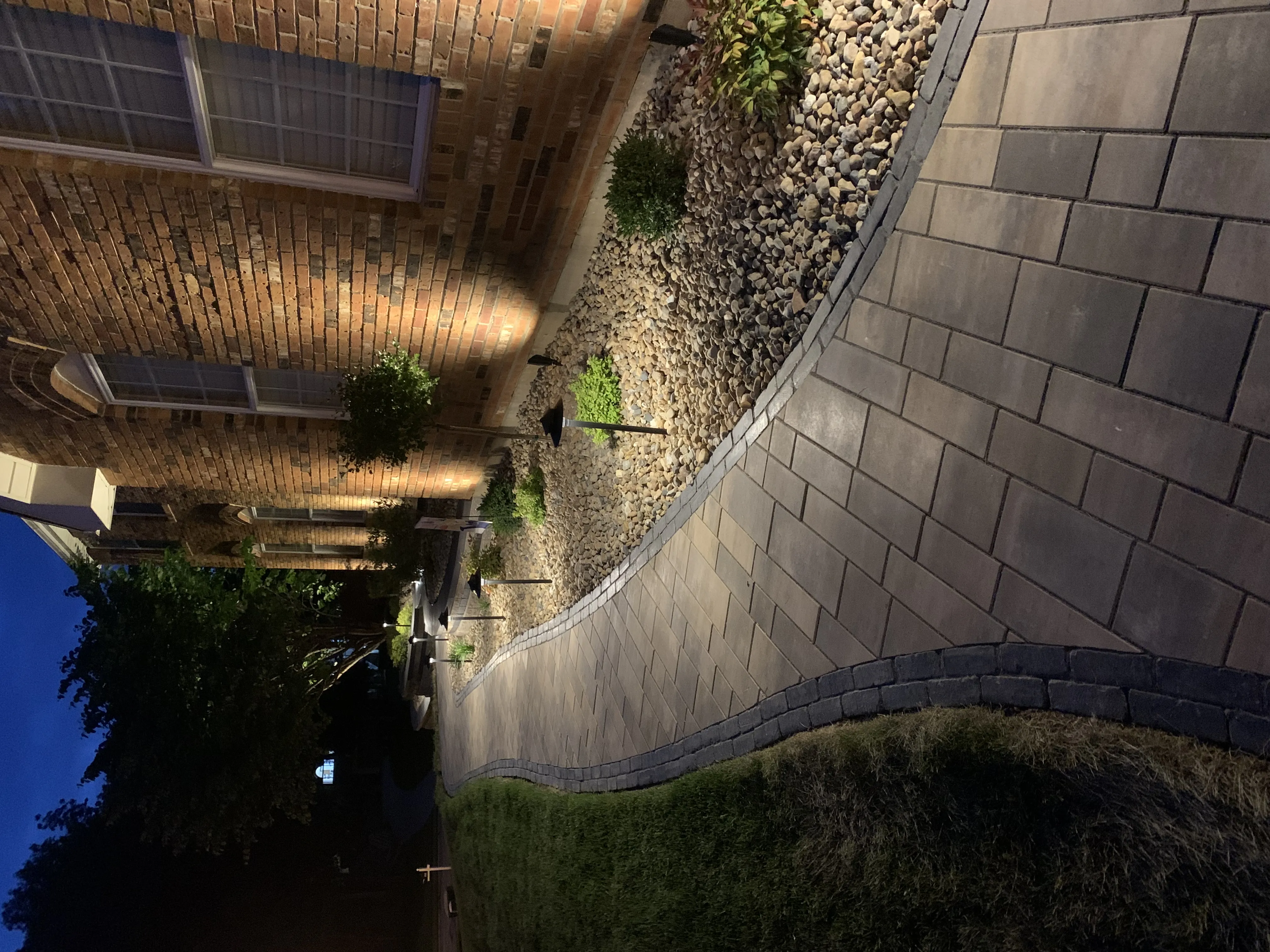
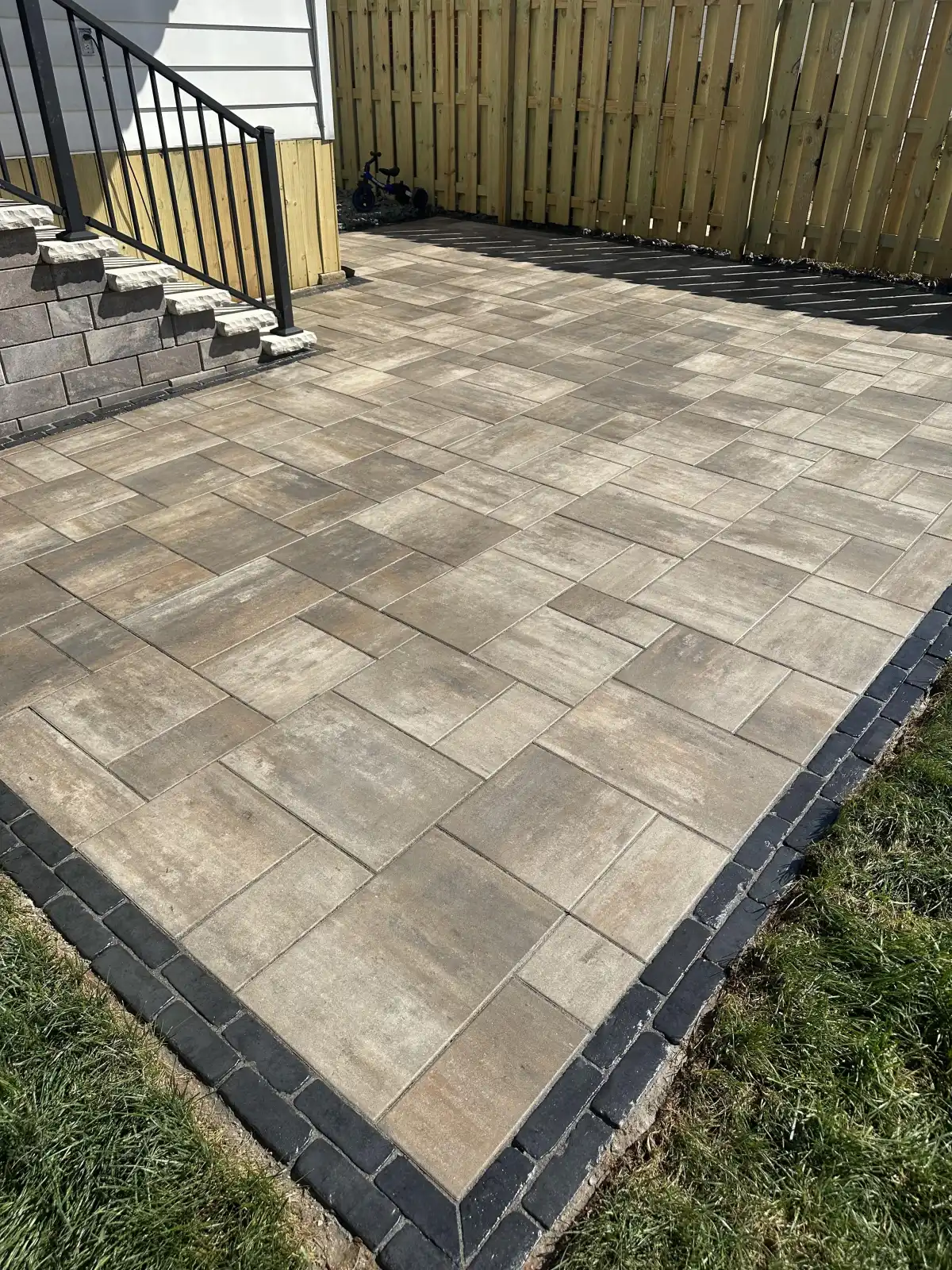
Hardscaping includes the permanent built features outside the home or business. For Green Operations, that can mean paver patios, walkways, front entries, steps, driveways, retaining walls, seating walls, pool decks, fire features, outdoor kitchens, and hardscape surfaces that connect with landscape design. Some projects are small and focused. Others are the first phase of a complete backyard plan.
The first question is not always, "What paver do I like?" It is often, "What problem should this hardscape solve?" A front walkway may need safer steps and cleaner drainage at the stoop. A backyard patio may need a retaining wall before it can be level enough for a table. A pool area may need a comfortable, slip-conscious paver surface with room for chairs, fencing, lighting, and landscape beds. Naming the problem helps the estimate focus on the right scope.
Why does St. Louis drainage matter so much?
Water is one of the biggest reasons hardscapes settle, shift, or age poorly. St. Louis-area properties often deal with clay soil that holds moisture, downspouts that empty near patios, spring storms, slope changes, and winter freeze-thaw cycles. If water collects under a paver surface or builds pressure behind a retaining wall, the finished project can move long before the materials themselves wear out.
A good hardscaping conversation should cover where water runs now and where it will run after construction. That may affect patio pitch, drain stone, wall drainage, downspout routing, edge grading, step placement, or the size and shape of the hardscape. Drainage planning is not an extra detail; it is part of building patios, walkways, pool decks, and retaining walls that hold up in Missouri weather.
What should a hardscaping estimate explain?
A useful estimate should make the scope easy to understand. For patios and walkways, ask about demolition, excavation, hauling, compacted aggregate base, bedding material, paver type, border treatment, edge restraint, polymeric sand, grading, and cleanup. For retaining walls, ask about base preparation, wall height, caps, drainage stone, drain pipe, steps, geogrid where needed, and how water will be handled behind the wall.
Ask what is included and what may be separate. Electrical work, gas lines, irrigation changes, permit support, HOA documents, major drainage correction, and utility relocation can affect timing and budget. Clear scope protects both sides because everyone understands what is being built before materials are ordered or construction begins.
How much does hardscaping cost in St. Louis?
Hardscaping cost depends on square footage, site access, demolition, excavation depth, base requirements, drainage, material selection, wall height, steps, pattern complexity, cleanup, and added features such as lighting, fire pits, pool-deck work, or an outdoor kitchen. A small flat patio is not priced like a hillside patio with retaining walls and curved steps, even if the visible paver surface is similar.
When comparing estimates, look for the construction details behind the number. A lower bid may leave out base depth, edge restraint, drainage, hauling, cleanup, or the wall details needed for the site. Green Operations provides free written estimates so homeowners can compare the actual plan, not just a single price. For patio-specific budgeting, read the St. Louis paver patio cost guide.
Which materials make sense for patios, walks, and walls?
Material choice should fit the home, use, budget, and maintenance expectations. Interlocking concrete pavers are common for patios, walkways, driveways, and pool decks because they offer many colors, textures, and patterns while allowing movement when the base is built correctly. Natural stone can be a strong design choice in the right setting. Retaining wall systems are selected around height, soil, drainage, curve, cap style, and the load the wall needs to hold.
Green Operations is an authorized Unilock contractor, which gives homeowners access to premium paver and wall systems installed by a team familiar with the product line. The best material still depends on the property. Pool hardscaping should consider comfort underfoot and water exposure. Driveways need base and traffic planning. Outdoor kitchens need paver surfaces that work with appliances, seating, and safe movement around cooking areas.
How does location change the hardscaping plan?
St. Louis city and county projects may include tighter access, older homes, front-entry upgrades, narrow side yards, existing concrete removal, and drainage patterns that have changed over time. Jefferson County projects often involve larger lots, steeper grade, wooded edges, longer material routes, erosion, and retaining wall planning. St. Charles County projects may involve newer subdivisions, builder-grade patio replacements, HOA review, and backyard expansions that happen in phases.
For a local example, read the page on hardscaping in Jefferson County, MO. It explains how slope, clay soil, access, and future outdoor living plans can shape hardscaping south of St. Louis. You can also review the service areas hub for Green Operations coverage across the greater metro.
Should the patio, wall, and outdoor living plan be designed together?
Not every property needs a full backyard build at once. Many homeowners start with the hardscape that solves the biggest problem first: a flatter patio, a safer walkway, a wall that controls grade, or a pool deck that makes the yard easier to use. Even then, it helps to discuss future features early.
A patio can be sized for a later outdoor kitchen. A retaining wall can create the level space for a future seating area. Conduit or layout allowances can make later lighting easier. A walkway can be placed so it still makes sense after landscape beds are updated. If you may add a fire pit, seating wall, lighting, pool hardscaping, or outdoor kitchen later, mention that before the first phase is finalized.
What helps Green Operations understand the property?
You do not need a finished design before reaching out. Photos from several angles, rough dimensions, timing goals, access notes, and a description of the main problem are enough to start. Mention standing water, erosion, downspout discharge, steep grade, fence gates, septic areas, mature trees, HOA requirements, or future features you are considering.
Plain descriptions are useful. You might say, "We need a level patio where the yard drops away from the house," "water collects near the existing concrete," or "we want a walkway now and landscape lighting later." Those details help Green Operations determine whether the conversation should begin with patio installation, retaining walls, drainage-aware grading, landscape design, or a broader hardscaping plan.
FAQ: Hardscaping questions before booking
What should St. Louis homeowners ask before booking hardscaping?
Ask how the contractor will handle excavation, compacted base, drainage, paver or wall materials, edge restraint, access, cleanup, and future phases. St. Louis hardscaping should be planned around clay soil, slope, heavy rain, and freeze-thaw conditions, not just square footage.
Why is hardscaping not just a price question?
Hardscaping includes patios, walkways, retaining walls, pool decks, steps, outdoor kitchens, and full outdoor living spaces. Cost and design change based on drainage, grade, base depth, access, material choice, wall height, and whether the work needs to support future phases.
Does Jefferson County hardscaping need different planning than St. Louis city projects?
Often, yes. Jefferson County properties may involve steeper lots, wooded access, longer material routes, erosion, and retaining walls. St. Louis city and county projects may involve tighter access, older drainage patterns, smaller lots, and front-entry work.
How can I prepare for a Green Operations hardscaping estimate?
Share photos from multiple angles, rough dimensions, timing goals, access notes, drainage concerns, and any future features you may want such as lighting, a fire pit, outdoor kitchen, pool hardscaping, or landscape design.
Ready to talk through a patio, retaining wall, walkway, pool deck, or outdoor living project? Use the Green Operations contact form or call (314) 630-8814.