St. Louis hardscaping planning
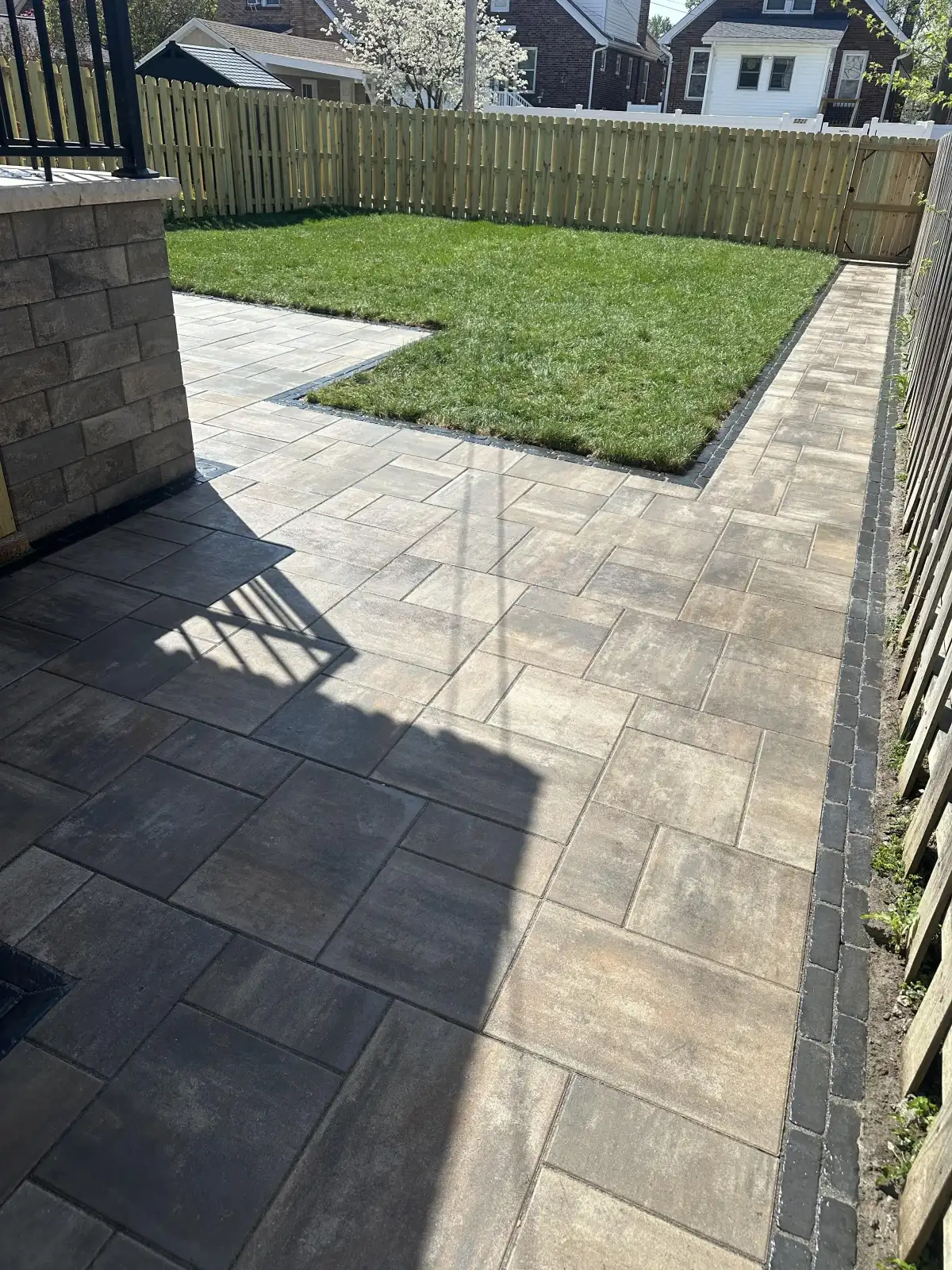
Hardscaping is one of the biggest ways to make a St. Louis-area property more usable. A new paver patio can create a dependable place to grill and gather. A retaining wall can turn a sloped yard into level space. A walkway can make the front entry safer and cleaner. Pool hardscaping, seating walls, fire features, and outdoor kitchens can connect the whole backyard so it feels planned instead of pieced together over time.
The right questions matter before booking because St. Louis hardscaping is not only about the visible paver, block, or stone. Clay soil, heavy rain, freeze-thaw conditions, drainage paths, yard access, wall support, and future outdoor living plans all affect the project. Green Operations builds hardscaping services in St. Louis, paver patios, retaining walls, pool hardscaping, and outdoor living spaces across St. Louis, Jefferson County, and St. Charles County.
Use the questions below to compare estimates and describe your project clearly when you contact Green Operations. The more the estimate accounts for site conditions, the easier it is to choose the right scope and avoid surprises once construction starts.
What problem should the hardscape solve?
Start with the practical need. A patio may need to create room for a table and grill without sending water toward the house. A front walkway may need a smoother route from the driveway to the door. A retaining wall may need to hold back a slope, frame a planting bed, or create a level surface for a future seating area. A pool deck may need comfortable circulation, drainage, and room for chairs.
When the main problem is clear, the design conversation gets better. Instead of choosing a material first, you can talk through grade, access, water movement, base preparation, and the way the space will be used. That leads to a hardscaping estimate built around the property rather than a generic square-foot price.
How will drainage be handled?
Drainage should come up early in any St. Louis hardscaping conversation. Clay-heavy soil can hold moisture. Downspouts often discharge near patios and walkways. Heavy rain can move across a yard fast, especially on sloped properties. Winter freeze-thaw cycles can punish weak base work when water sits below the surface.
Ask where water currently goes and where it will go after the new hardscape is built. The answer may influence patio pitch, wall drainage stone, drain pipe, downspout extensions, step placement, edge grading, or landscape tie-ins. Drainage is especially important for retaining walls, pool decks, and larger patio areas because water pressure and standing water can shorten the life of the work.
What does the estimate include below the surface?
The finished surface is what everyone sees, but the base is what supports the project. For paver patios, walkways, and driveways, ask about demolition, excavation, hauling, aggregate base depth, compaction, bedding material, edge restraint, border treatment, polymeric sand, grading, and cleanup. For retaining walls, ask about base preparation, drainage stone, caps, steps, geogrid when needed, and how water behind the wall will be relieved.
Clear scope matters when comparing contractors. Two proposals can look similar from a distance but include very different preparation, materials, and cleanup. Green Operations provides free written estimates so homeowners can review the work being priced, not just the final number.
Which material should I choose?
The best material depends on the home, project type, budget, and maintenance expectations. Interlocking concrete pavers are popular for patios, walkways, driveways, and pool decks because they offer strong design flexibility and perform well when installed over a properly prepared base. Wall systems are chosen around height, grade, drainage, curves, caps, steps, and the pressure the wall needs to manage.
Green Operations is an authorized Unilock contractor, which gives homeowners access to premium paver and wall systems installed by a team familiar with the product line. For pool areas, the conversation may include comfort underfoot and water exposure. For driveways, traffic load and base depth matter. For outdoor kitchens, the hardscape should coordinate with appliance placement, seating, utilities, and safe movement around the cooking area.
How much does hardscaping cost in St. Louis?
Hardscaping cost depends on square footage, site access, demolition, excavation depth, base requirements, drainage, material selection, pattern complexity, wall height, steps, cleanup, and added features such as lighting, fire pits, seating walls, pool-deck work, or an outdoor kitchen. A flat walkway is not priced the same way as a hillside patio with walls and steps.
The most useful estimate explains the construction plan behind the price. If you are planning a patio, the St. Louis paver patio cost guide gives more detail on what affects budget. For larger backyard work, ask whether the first phase should be sized or prepared for future outdoor living features so later upgrades do not require avoidable rework.
Does the project need a retaining wall?
Some patios and walkways can be installed without a wall. Others need wall support because the yard has too much slope, the patio must sit above or below the existing grade, or water and soil need to be controlled before the surface can stay stable. In Jefferson County and parts of the greater St. Louis area, grade change can be one of the biggest factors in the plan.
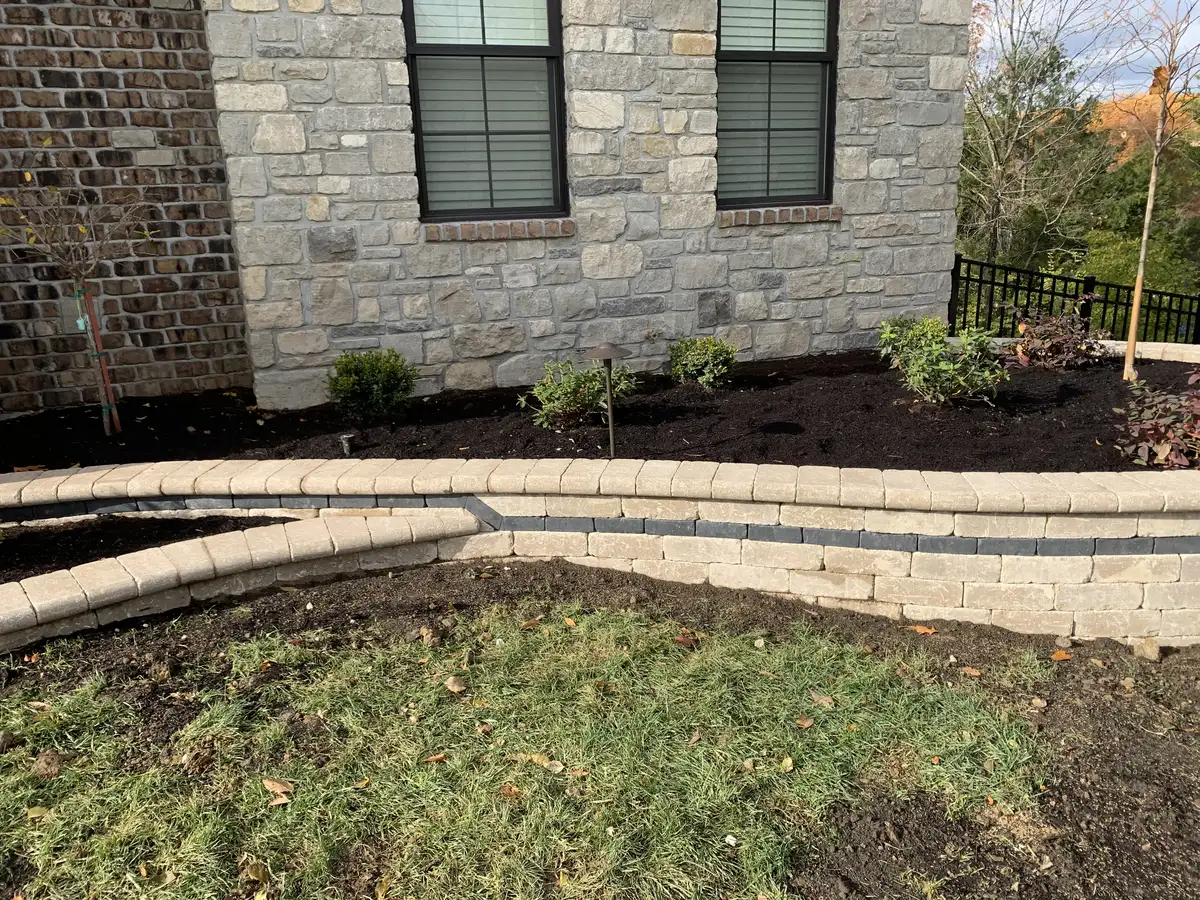
A retaining wall may also improve the design. Walls can create terraces, frame a fire pit area, support steps, create planting beds, or turn an awkward hillside into usable space. If your yard drops away from the house, has erosion, or needs a level area for seating, read more about hardscaping in Jefferson County, MO and how slope changes the plan.
Should outdoor living features be planned now?
You do not have to build every feature at once, but it is smart to talk about future ideas early. A patio may need space for a later outdoor kitchen. A retaining wall may set the shape for a future seating wall. Conduit planning can make later lighting easier. A walkway can be placed so it still makes sense after landscape beds, a pool deck, or a fire feature are added.
If you may want an outdoor kitchen, fire pit, lighting, pool hardscaping, or landscape design later, mention it during the estimate. Green Operations can help decide what should be built in the first phase and what can wait while still keeping the overall yard plan coherent.
How does location affect the project?
St. Louis city and county projects often involve tighter access, older concrete removal, established drainage patterns, smaller lots, and front-entry improvements. Jefferson County properties may involve steeper grade, wooded edges, longer material routes, and more retaining wall planning. St. Charles County projects may involve newer subdivision lots, HOA review, builder-grade patio replacements, and phased backyard expansions.
Green Operations serves all three primary service areas, and each property is reviewed based on its own conditions. You can compare broader coverage on the service areas page or start with the main St. Louis hardscaping service page if you want the full service overview.
What should I share before the estimate?
You do not need final measurements or a finished design. Photos from multiple angles, rough dimensions, timing goals, access notes, drainage concerns, and future ideas are enough to begin a useful conversation. Mention if water stands after rain, if the yard slopes toward the house, if equipment access is tight, if there are mature trees or septic areas, or if an HOA may need to review the plan.
Plain language helps. You might say, "We need a flatter patio near the back door," "water runs across the walkway," "we want a pool deck that ties into a future fire pit area," or "the slope needs a wall before we can use the yard." Green Operations can then recommend whether the project should start with patio installation, retaining walls, drainage-aware grading, landscape design, or a broader hardscaping plan.
FAQ: Hardscaping questions before booking
What should I ask before booking a hardscaping contractor in St. Louis?
Ask how the contractor will handle excavation, compacted base, drainage, edge restraint, paver or wall materials, access, cleanup, and future phases. In St. Louis, clay soil, slope, heavy rain, and freeze-thaw weather should be part of the plan before materials are selected.
Why does base preparation matter for St. Louis hardscaping?
Base preparation supports the paver or wall system below the visible surface. Excavation depth, aggregate base, compaction, pitch, and drainage are especially important around St. Louis clay soil and freeze-thaw conditions because trapped water and weak base work can lead to settling or movement.
Can one hardscaping project include patios, retaining walls, and outdoor living features?
Yes. Many projects combine a patio with retaining walls, steps, seating walls, fire features, lighting, pool hardscaping, landscape design, or an outdoor kitchen. Planning those elements together helps the base, drainage, layout, and traffic flow work as one outdoor space.
Does Green Operations install hardscaping outside St. Louis city?
Green Operations serves St. Louis, Jefferson County, and St. Charles County, Missouri. Property conditions vary by area, so the estimate should account for access, slope, drainage, soil, and the specific hardscaping features being built.
Ready to ask about a patio, retaining wall, walkway, pool deck, or outdoor living project? Use the Green Operations contact form or call (314) 630-8814.